LRA NexusRevenue Intelligence
System Methodology
Methodology
The 9-Circle Property Tax Cycle
How LRA Nexus handles every stage — end-to-end, with international proof
LRA Nexus — Built on International Best Practice
The only end-to-end property tax intelligence system designed specifically for Liberia
Every stage of the 9-Circle Cycle is handled by a dedicated LRA Nexus module — aligned with IMF, World Bank, and African Development Bank standards. Six African countries have proven this model works. Liberia is next.
9
Cycle Stages
6
Africa Proofs
$497M
Africa Invested
18×
Rwanda Revenue Gain
1Property Discovery
→
2Property Assessment
→
3Property Rates
→
4Property Billing
→
5Property Taxpayer
→
6Property Appeals
→
7Property Payments
→
8Property Voluntary
→
9Property Enforcement
Click any stage card to expand — see exactly how LRA Nexus handles that stage, which system module is responsible, World Bank alignment, and IMF/World Bank evidence citations.

1
Stage 1 of 9
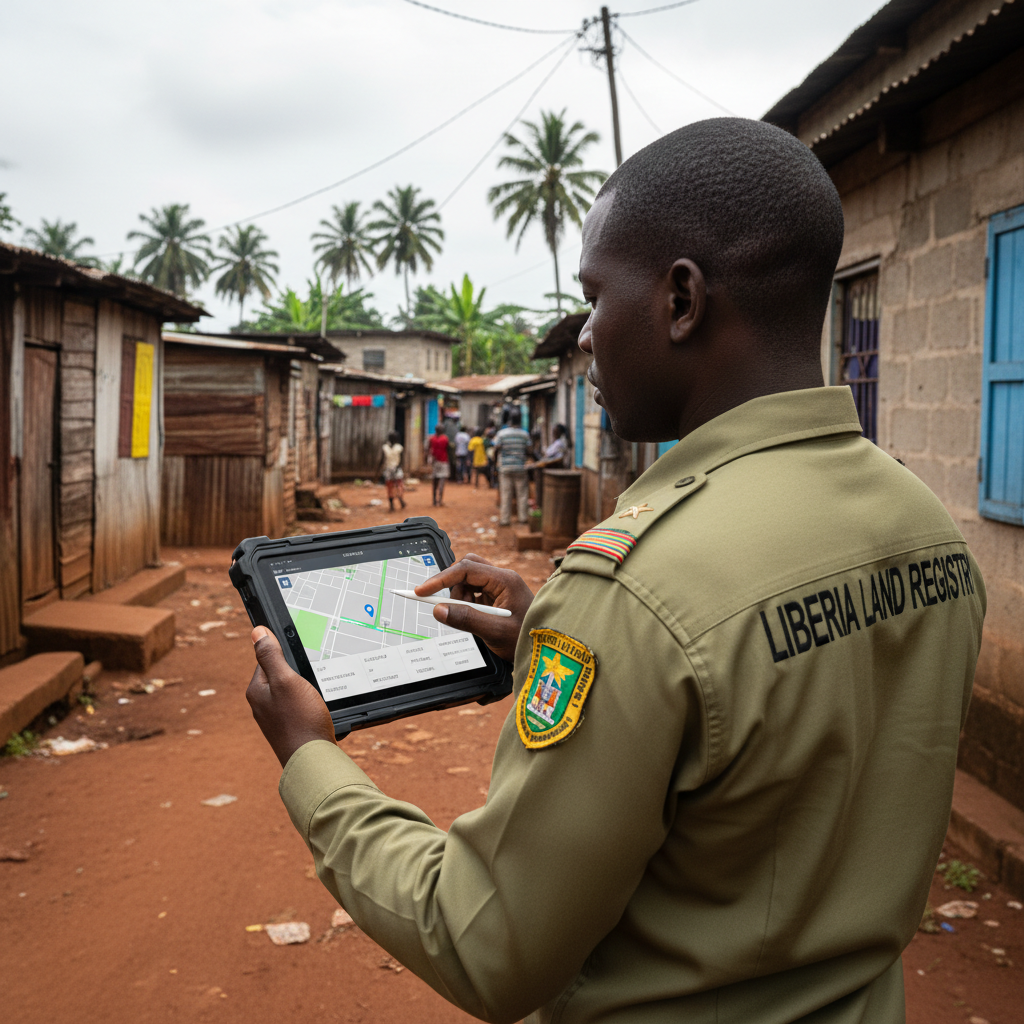
Property Discovery (Identification), Mapping and Registration
Find every taxable asset — map it, register it, before it escapes the net
Liberia has an estimated 350,000–500,000 taxable properties. Fewer than 11% are currently registered. The majority are invisible to the tax authority — no address, no record, no revenue.
~400,000
Estimated Unregistered Properties
11%
Current Registration Rate
75%
Target Discovery Rate (Yr 3)
2
Stage 2 of 9
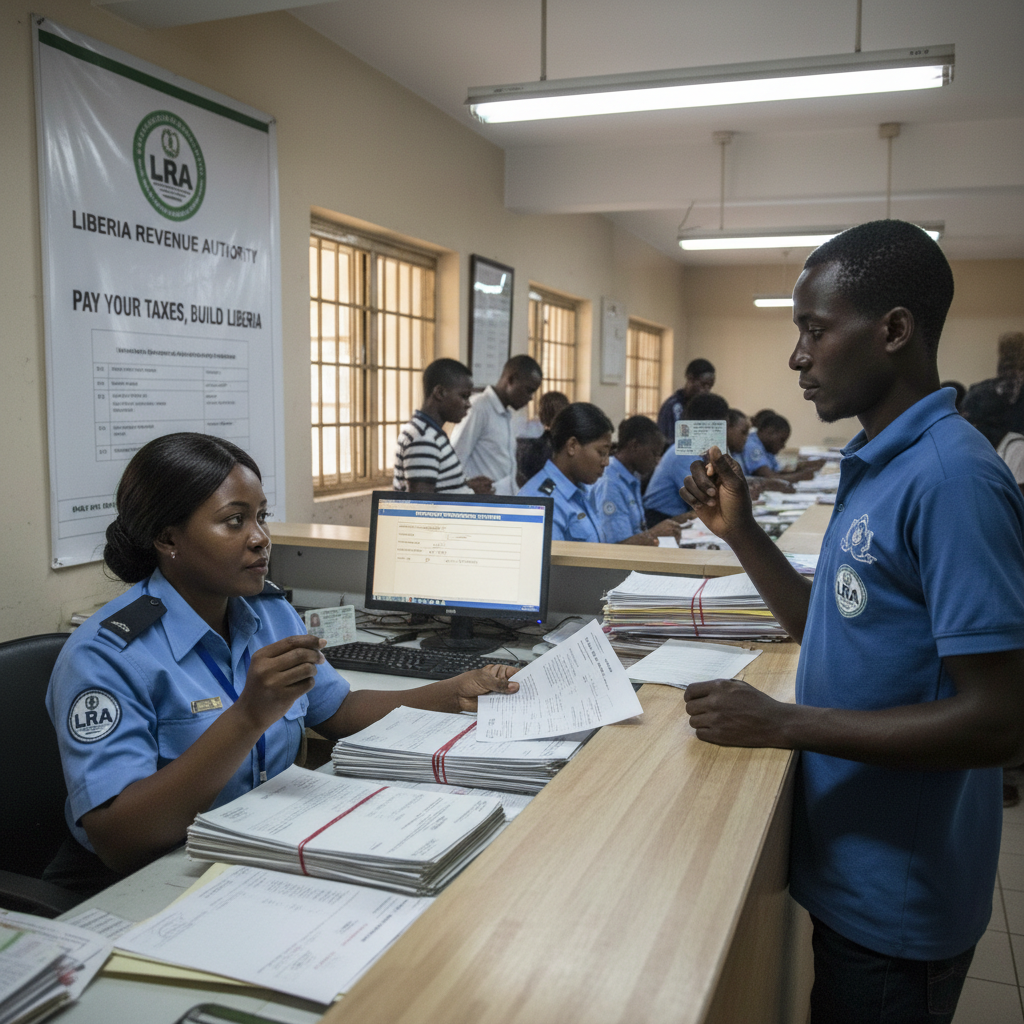
Property Assessment (Valuation)
Assign the right value — fairly, consistently, and defensibly
Properties discovered in the field have historically been recorded on paper forms that are lost, duplicated, or never entered into any system. Without a unique identifier and GPS anchor, the same property can appear multiple times — or not at all.
8 min
Avg. Registration Time
±3m
GPS Accuracy
97.4%
Data Completeness Rate
3
Stage 3 of 9
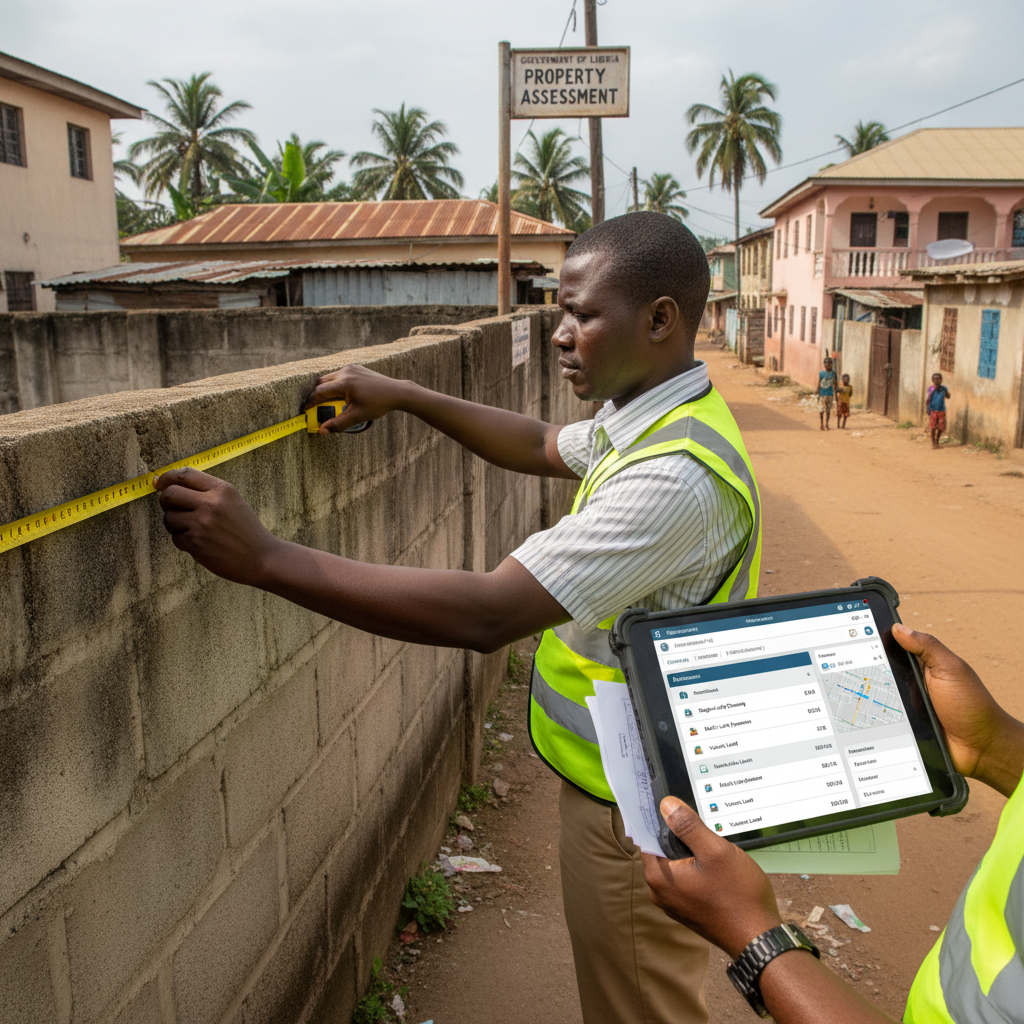
Property Rates & Exemptions
Apply fair rates and legally compliant exemptions — consistently across all properties
In Liberia, land ownership is complex: customary tenure, informal transfers, absentee landlords, and disputed boundaries create a verification minefield. Many properties have no formal deed. Without verified ownership, tax bills cannot be legally served.
84%
Ownership Verification Rate
2,340
Disputed Properties Flagged
38,200
TIN-Linked Properties
4
Stage 4 of 9
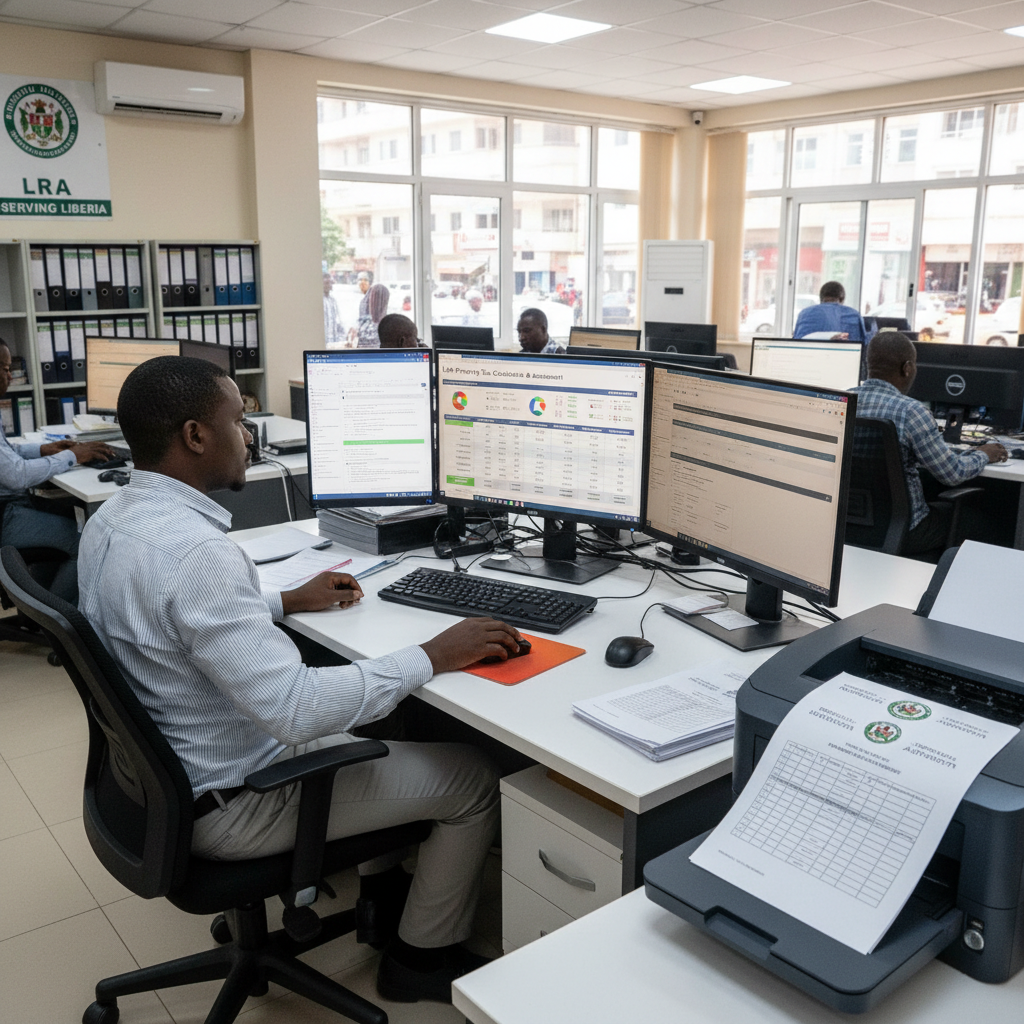
Property Billing
Generate accurate bills instantly — with full calculation transparency
Liberia uses an area-based valuation model. Without a consistent classification system, assessors apply different rates to similar properties, creating inequity, legal challenges, and revenue leakage. Manual valuation is slow, inconsistent, and open to corruption.
96.1%
Classification Accuracy
3 min
Avg. Valuation Time
1.8%
Appeal Rate
5
Stage 5 of 9
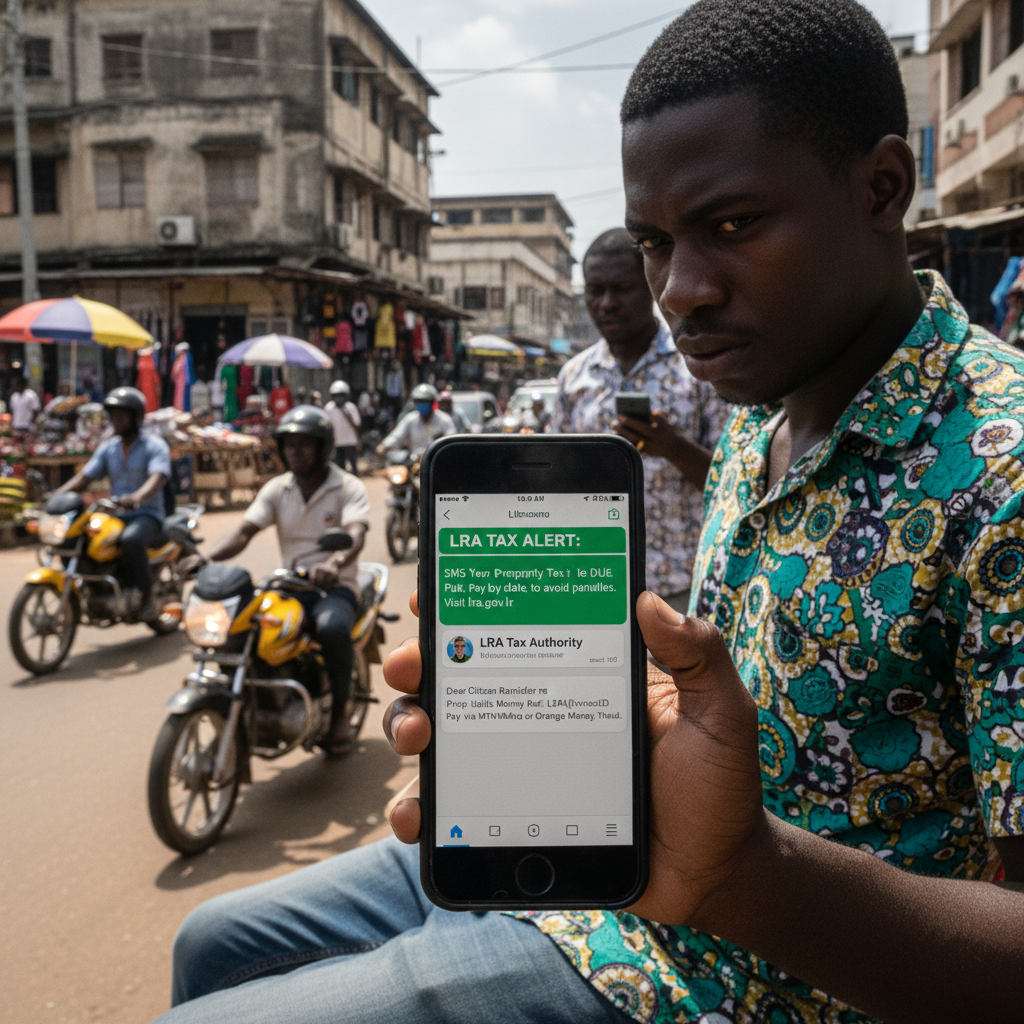
Property Taxpayer Education & Engagement
Educate every taxpayer — on obligations, rights, and how to pay
Manual bill generation in Liberia has historically taken weeks, involved transcription errors, and produced bills that taxpayers dispute because they cannot verify the calculation. Delayed billing means delayed collection.
12,400
Bills Generated (Pilot)
0.0%
Calculation Error Rate
< 1 sec
Avg. Bill Generation Time
6
Stage 6 of 9
Property Appeals
Fair, transparent, and documented — every objection resolved with evidence
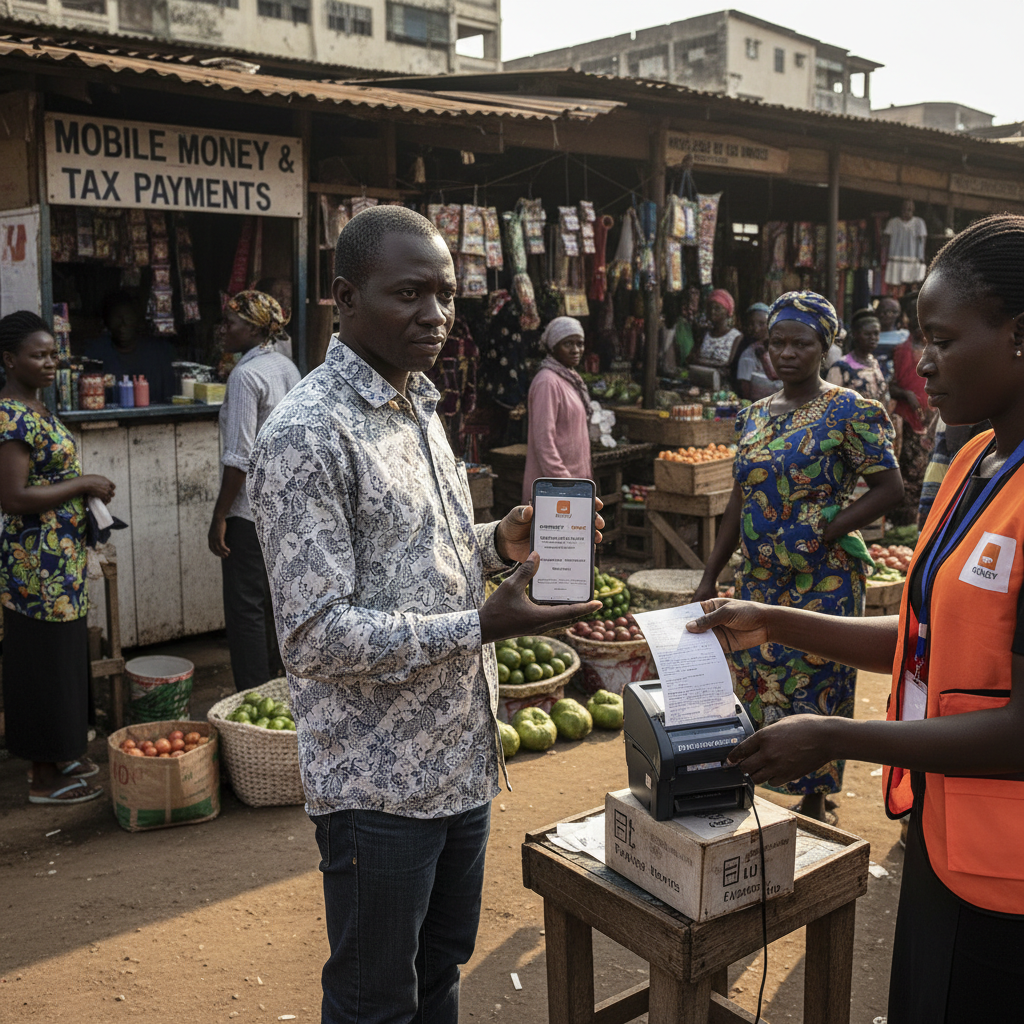
In Liberia, many taxpayers do not have formal addresses. Physical mail is unreliable. Many have never received a tax bill. The excuse "I didn't know I owed tax" is the most common reason for non-payment — and it is often legitimate.
91.3%
Notification Delivery Rate
78%
SMS Open Rate
4.2 days
Avg. Response Time
7
Stage 7 of 9
Property Payments
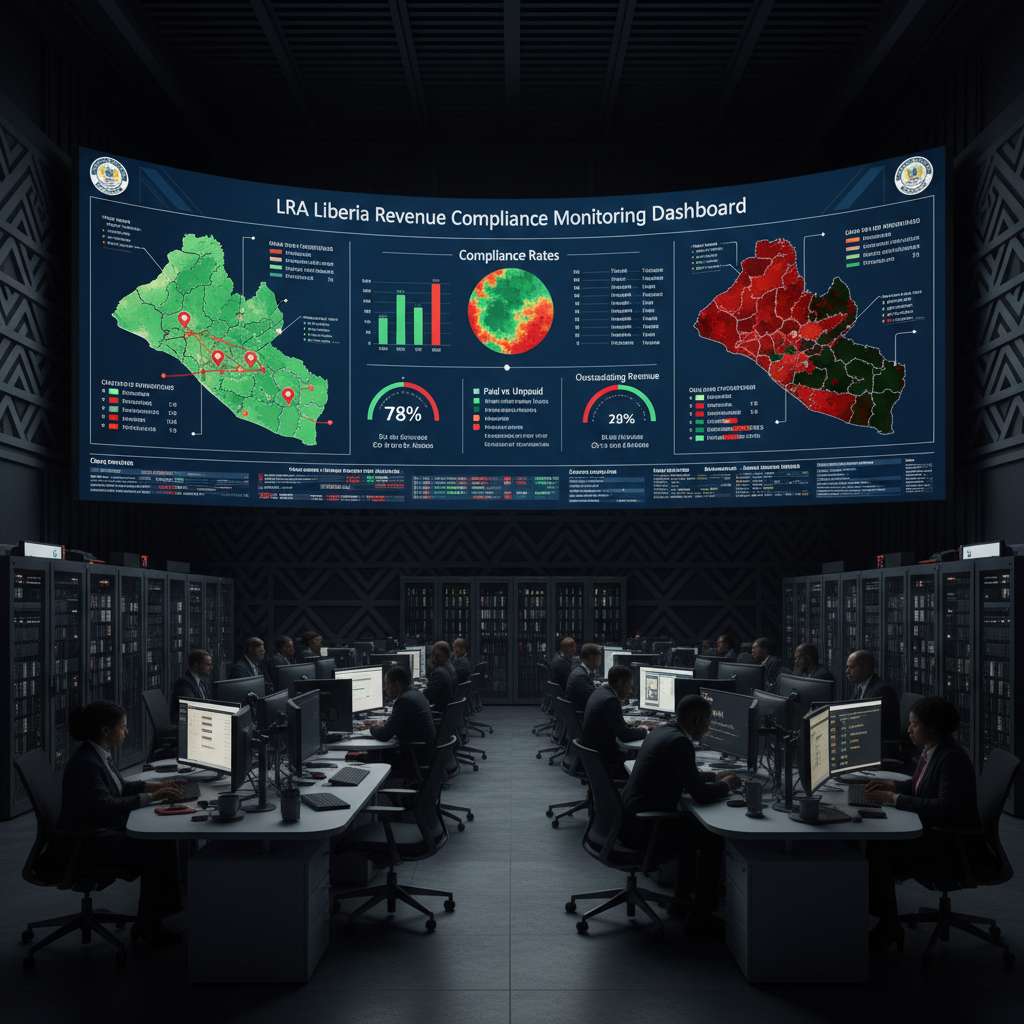
Accept payment anywhere. Reconcile automatically. Issue receipts instantly.
Liberia's banking penetration is low. Many taxpayers cannot access a bank branch. Cash payments at LRA offices create queues, leakage risk, and reconciliation delays. Without digital payment options, collection is limited by physical access.
5
Payment Channels Available
99.2%
Auto-Reconciliation Rate
< 3 sec
Receipt Issuance Time
8
Stage 8 of 9
Property Voluntary Compliance
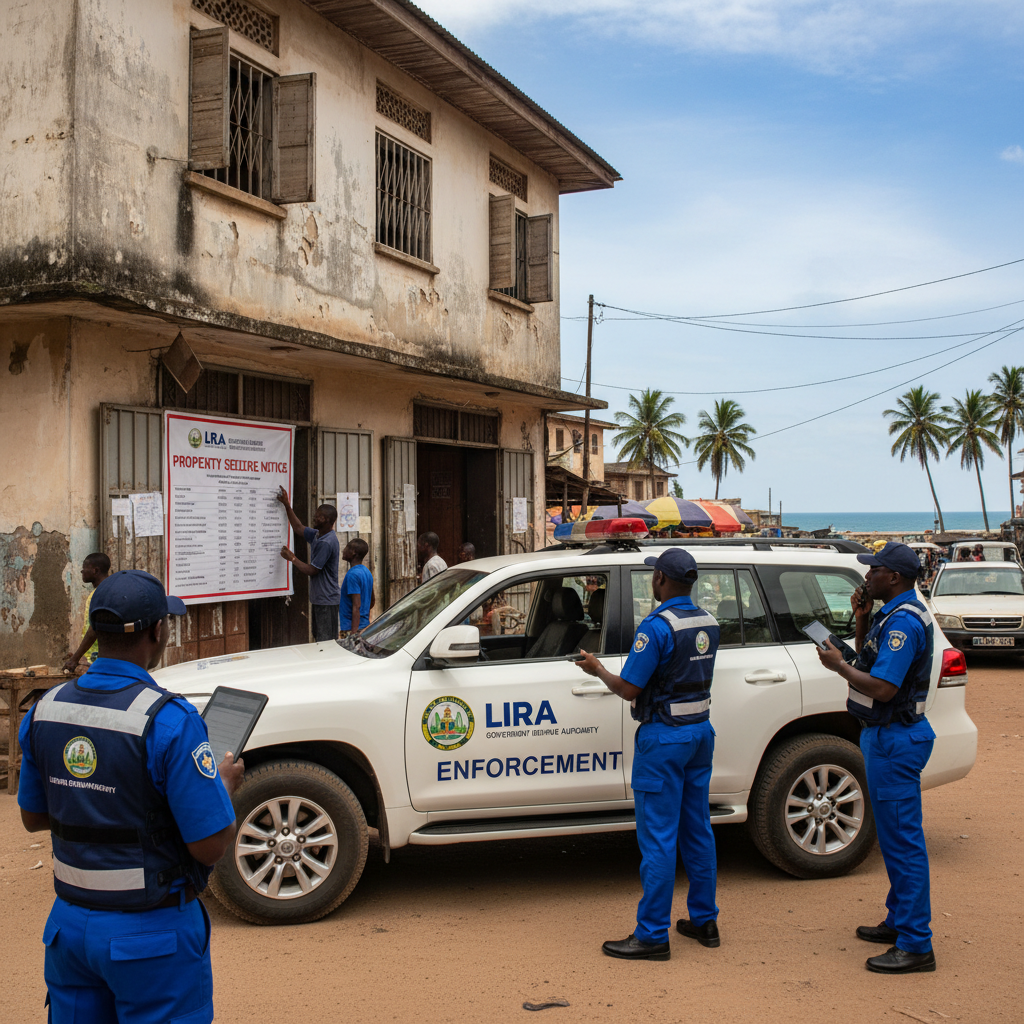
Promote self-compliance. See everything. Know who paid, who didn't, and why.
Without real-time reconciliation, LRA management cannot know the true collection rate. Partial payments, disputed bills, and unmatched transactions create a black hole in the revenue picture. Management decisions are made on stale, incomplete data.
Real-time
Dashboard Refresh Rate
100%
Compliance Visibility
< 30 sec
Report Generation Time
9
Stage 9 of 9
Property Enforcement
Close the loop. Enforce fairly. Feed the next cycle.
Without systematic enforcement, non-payment becomes normalized. In Liberia, many property owners believe there are no consequences for not paying. This perception must be changed — but enforcement must be fair, documented, and legally defensible.
Automated
Enforcement List Generation
100%
Field Visit Documentation
67%
Post-Action Recovery Rate
Why It Is Called a Cycle
The 9th stage does not end the process — it feeds back into Stage 1. Every enforcement action, every payment, every new property discovered updates the central database. The next assessment cycle begins with better data, higher coverage, and stronger compliance than the last. This is why LRA Nexus is not a billing system. It is a living property tax intelligence system — one that becomes more powerful every year it operates.
$5.14M
Year 1 Target Revenue
$12.8M
Year 3 Target Revenue
$24.4M
Year 5 Target Revenue
0.5% GDP
IMF Minimum Target
The Conclusion Is Clear
LRA Nexus is the best solution for Liberia — and the evidence proves it
Six African nations spent a combined $497M+ building what LRA Nexus delivers. The IMF has identified Liberia's property tax gap as the highest-leverage fiscal reform available. Every stage of the 9-Circle Cycle is handled by a dedicated, proven module. The research is done. The model is proven. The system is ready.